
What is Alzheimers / Dementia care and why in-home care can help
Association Home Care is an independent licensed home care servicing Florida. We do have trained dementia care staff that can assist. Please contact us for any information here. Additionally we recommend going here for home health agencies memory (both Alzheimer’s and dementia care) training.
Understanding Dementia Care and Alzheimer’s Disease: Types, Treatments, and Hope for the Future
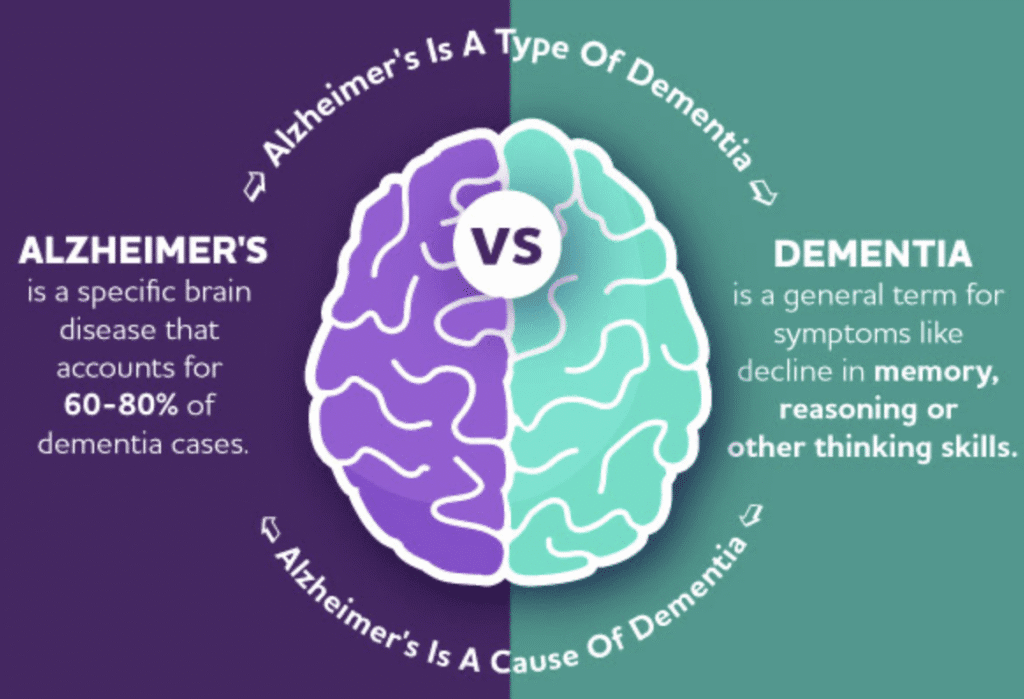
As the population ages, the demand for dementia care and support for individuals with Alzheimer’s disease continues to grow. Dementia is a progressive decline in cognitive function that interferes with daily life. It impacts memory, thinking, problem-solving, language, and behavior. Though often used interchangeably with Alzheimer’s, dementia is an umbrella term for various cognitive disorders, including Alzheimer’s, vascular dementia, Lewy body dementia, and frontotemporal dementia.
🧠 What Is Dementia?
Dementia care involves providing support to individuals with memory loss, confusion, and reduced mental functioning due to brain cell damage. As brain cells lose their ability to communicate effectively, individuals experience symptoms like forgetfulness, disorientation, and behavior changes. Dementia is not a single disease but a general term for multiple conditions.
🔍 Types of Dementia:
- Alzheimer’s disease – The most common form of dementia (60–80% of cases)
- Vascular dementia – Caused by strokes or reduced blood flow to the brain
- Lewy body dementia – Involves abnormal protein deposits in brain cells
- Frontotemporal dementia – Affects the frontal and temporal lobes of the brain
Over time, dementia worsens, leading to severe impairments in judgment, speech, mobility, and the ability to perform everyday tasks.
🧓 Alzheimer’s Disease Explained
Alzheimer’s disease is the most prevalent form of dementia. It is a progressive, degenerative brain disorder characterized by the buildup of amyloid plaques and tau tangles, which lead to the death of brain cells. It typically begins with mild memory loss and gradually worsens, eventually affecting the ability to perform basic tasks.
📈 Alzheimer’s and Dementia Statistics in the United States (2023)
👥 Prevalence:
- 6.7 million Americans aged 65+ are living with Alzheimer’s
- By 2050, that number is expected to reach 13 million
- 1 in 9 adults over 65 has Alzheimer’s (about 11%)
- Two-thirds of those affected are women
💰 Economic Impact:
- Annual costs of Alzheimer’s and other dementias: $345 billion
- Projected cost by 2050: Over $1 trillion annually
❤️ Caregiving:
- Over 11 million Americans provide unpaid dementia care
- In 2022, caregivers delivered 18 billion hours of unpaid support valued at $339 billion
⚰️ Mortality:
- Alzheimer’s is the 6th leading cause of death in the U.S.
- More than 120,000 Americans die from Alzheimer’s each year
💊 Current Treatments for Dementia and Alzheimer’s
While there is no cure, several treatment strategies aim to slow progression, improve symptoms, and enhance quality of life.
1. Medications:
- Cholinesterase inhibitors (Donepezil, Rivastigmine): Improve communication between nerve cells
- Memantine: Regulates brain chemicals and supports cognitive function in later stages
- Anti-amyloid drugs (e.g., Aducanumab, Leqembi): Target and reduce amyloid plaque buildup
2. Lifestyle Changes:
- Cognitive stimulation: Brain games, puzzles, and social interaction
- Exercise: Improves circulation and brain health
- Healthy diet: Mediterranean or MIND diets support cognitive health
3. Behavioral and Emotional Support:
- Therapies: Structured activities, cognitive behavioral therapy
- Caregiver education: Essential for managing symptoms and reducing stress
🔬 Research and Innovation in Alzheimer’s Care
1. Understanding Disease Mechanisms:
Scientists are studying how amyloid plaques and tau proteins damage the brain, which could lead to more effective treatments.
2. Genetics and Early Detection:
Genes like APOE-e4 increase the risk of Alzheimer’s. Early screening through brain imaging and biomarkers could enable timely intervention.
3. New Drug Development:
- Immunotherapies: Using the immune system to clear amyloid and tau proteins
- Anti-tau therapies: Aimed at preventing or reducing tau tangles
- Vaccines: Being researched to prevent or delay Alzheimer’s progression
4. Neuroplasticity and Brain Health:
Techniques like transcranial magnetic stimulation and cognitive training may enhance brain plasticity and slow cognitive decline.
5. Prevention Strategies:
Public health efforts focus on modifiable risk factors:
- Controlling high blood pressure and diabetes
- Quitting smoking and reducing alcohol consumption
- Staying socially active and maintaining mental engagement
🏡 The Role of Dementia Home Care and Caregiver Support
Providing care at home is often the preferred option for families. Home care agencies specializing in dementia supportcan deliver:
- Personal care and supervision
- Medication reminders
- Safety monitoring and fall prevention
- Companionship and structured activities
- Respite care for family caregivers
💡 Support for Caregivers:
- Caregiver training and education programs
- Support groups for emotional health
- Respite care to avoid burnout
- Resources from organizations like the Alzheimer’s Association
🗣️ Public Health Action and Advocacy
📢 Raising Awareness:
Educating communities on early symptoms and the importance of diagnosis helps reduce stigma and encourages early care.
💵 Increasing Funding:
Organizations like the Alzheimer’s Association and Alzheimer’s Foundation of America advocate for federal funding to accelerate research and expand support services.
✅ Conclusion: Hope for the Future of Alzheimer’s and Dementia Care
While there is no cure for Alzheimer’s disease or other forms of dementia, there is hope. Ongoing research, improved treatments, and proactive caregiving strategies are making a difference. By focusing on healthy lifestyles, early detection, and professional dementia care, we can help individuals live with dignity, safety, and improved quality of life.
Families are encouraged to work with licensed dementia care providers and explore support programs to ensure their loved ones receive the best possible care.
